The Gut Health Series: Vol. 2
The Gut–Brain Connection: Why GLP-1 May Be the Most Important Hormone You’ve Never Considered
For decades, we’ve treated the brain as the command center of the body—isolated, authoritative, and largely independent. Modern science tells a far more nuanced story. One where the gut and brain are in constant dialogue, exchanging biochemical signals that influence everything from mood and cognition to appetite, inflammation, and long-term metabolic health.
At the heart of this conversation lies a powerful yet often misunderstood hormone: GLP-1.
Understanding the gut–brain connection—and GLP-1’s central role within it—may change the way you think about mental clarity, emotional balance, and even the way your body interprets hunger and fullness.
The Gut Is Not Just Digestive—It’s Neurological
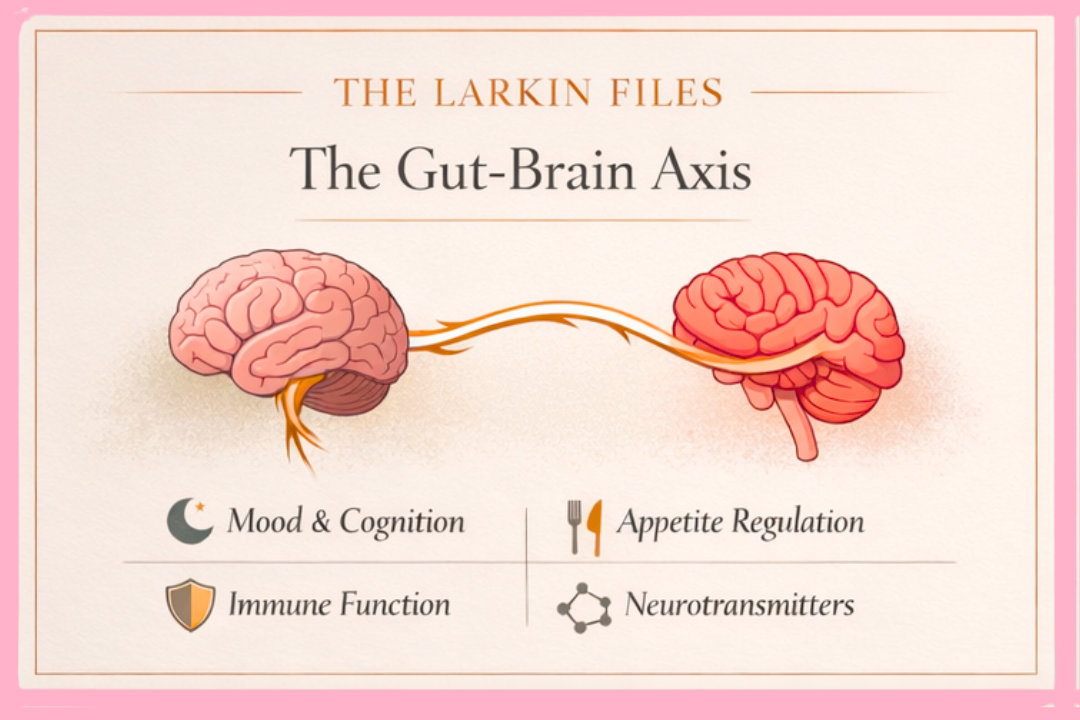
Often called the second brain, the gut contains its own nervous system: the enteric nervous system, made up of more than 100 million neurons. This intricate network communicates directly with the brain via the vagus nerve, forming what scientists call the gut–brain axis.
This axis is responsible for:
Regulating appetite and satiety
Influencing mood, anxiety, and stress resilience
Modulating inflammation and immune response
Affecting memory, focus, and cognitive function
“The gut-brain connection is no joke; it can link anxiety to stomach problems and vice versa. Have you ever had a "gut-wrenching" experience? Do certain situations make you "feel nauseous"? Have you ever felt "butterflies" in your stomach? We use these expressions for a reason. The gastrointestinal tract is sensitive to emotion. Anger, anxiety, sadness, elation — all of these feelings (and others) can trigger symptoms in the gut.”
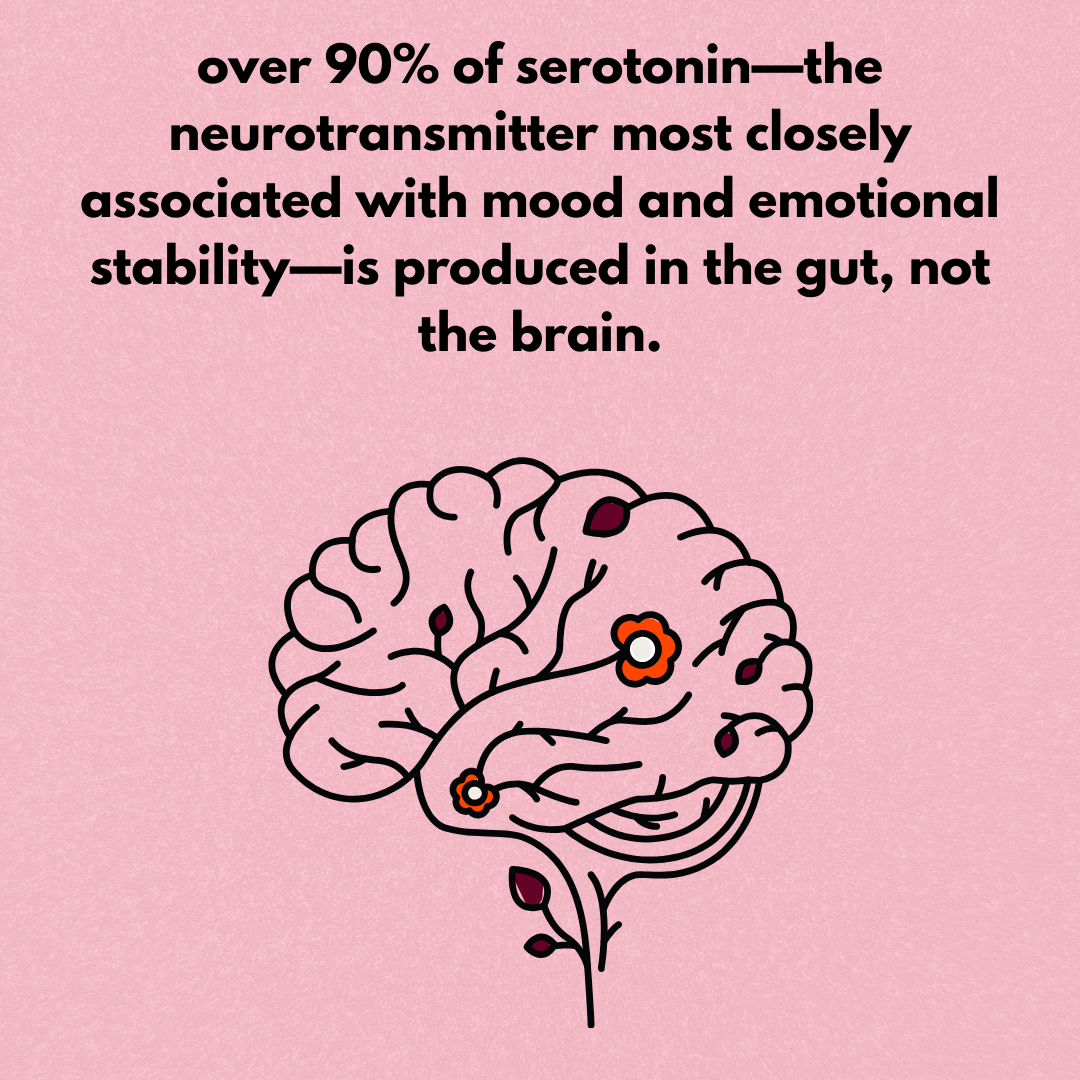
In fact, over 90% of serotonin—the neurotransmitter most closely associated with mood and emotional stability—is produced in the gut, not the brain.
But neurotransmitters are only part of the story….
Enter GLP-1: The Hormone That Bridges Gut and Brain
GLP-1 (glucagon-like peptide-1) is a hormone produced in the gut that is released primarily after eating. While it’s often discussed in the context of blood sugar and weight management, its influence extends far beyond metabolism.
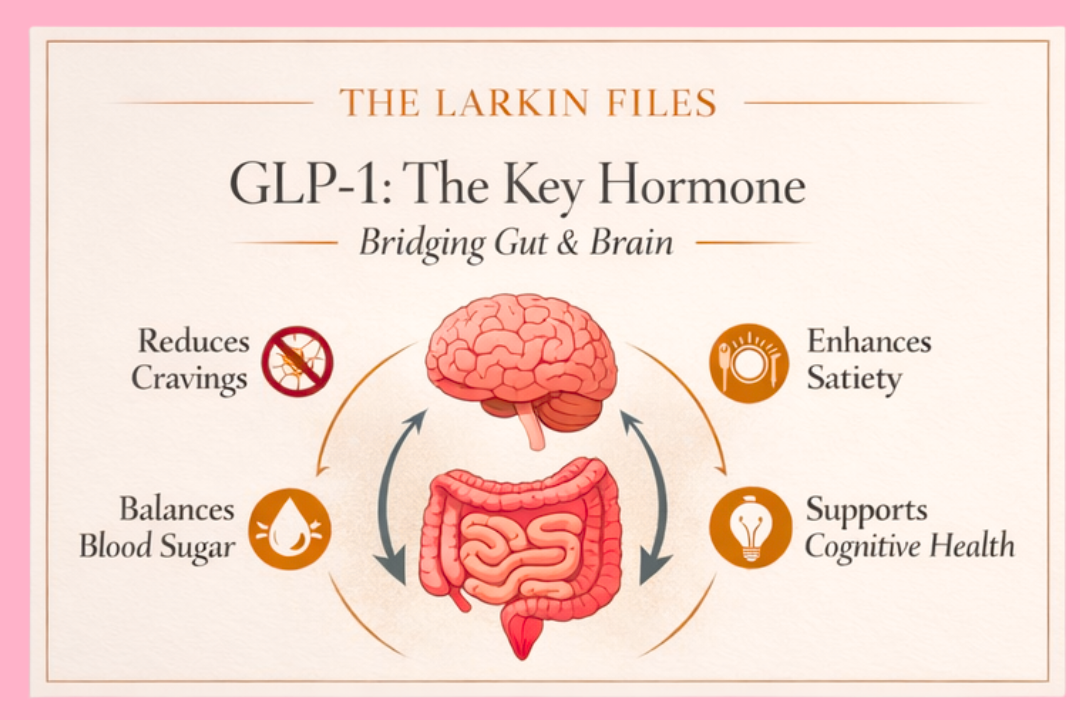
GLP-1 acts as a chemical messenger between the gut and the brain, delivering real-time information about nutrient intake, energy availability, and satiety.
When GLP-1 is functioning properly, it:
Signals the brain that you are full
Slows gastric emptying for better digestion and nutrient absorption
Enhances insulin sensitivity and stabilizes blood sugar
Reduces food noise and compulsive cravings
Supports cognitive clarity and emotional regulation
In short, GLP-1 helps the brain interpret what the gut is experiencing.
Why GLP-1 Matters for Brain Health
GLP-1 receptors are found not only in the digestive system, but also throughout the brain, including areas responsible for:
Decision-making
Reward processing
Emotional regulation
Learning and memory
This explains why disruptions in GLP-1 signaling are increasingly associated with:
Chronic stress and anxiety
Brain fog and poor focus
Dysregulated appetite
Mood instability
Neuroinflammation
When the gut is inflamed, imbalanced, or overwhelmed by ultra-processed foods, GLP-1 signaling becomes impaired—and the brain receives distorted information. Hunger cues intensify. Fullness signals weaken. Emotional eating becomes more common, not due to lack of willpower, but due to biological miscommunication.
The Modern Diet vs. GLP-1 Function
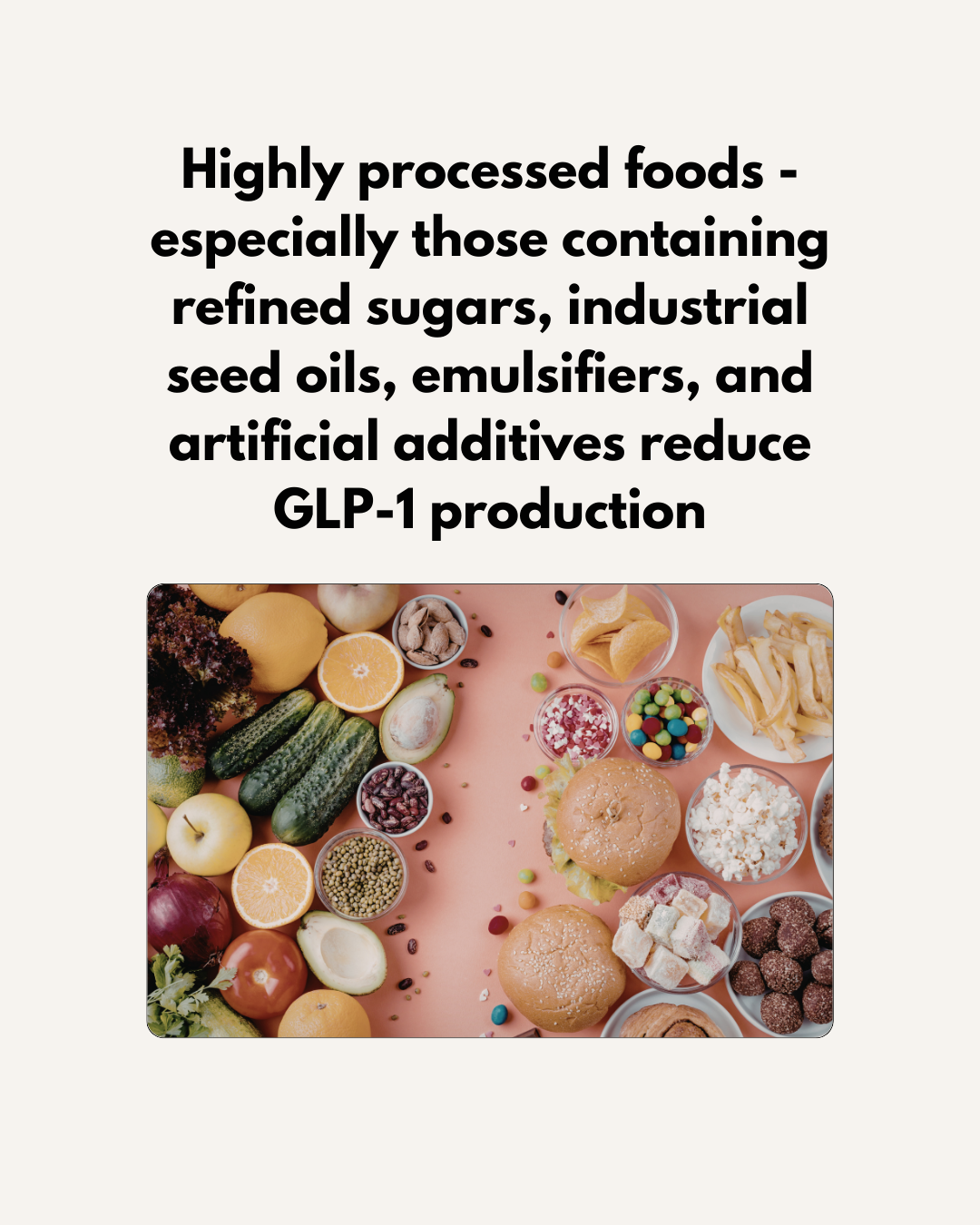
Highly processed foods—especially those containing refined sugars, industrial seed oils, emulsifiers, and artificial additives—disrupt the gut microbiome. Over time, this leads to:
Reduced GLP-1 production
Blunted satiety signaling
Increased inflammation
Heightened cravings and energy crashes
This is one of the reasons people often feel hungry shortly after eating or experience constant mental chatter around food.
It’s not a discipline problem.
It’s a signaling problem.
Why GLP-1 Is Central to the Wellness Conversation Right Now
GLP-1 has become a focal point in modern health discussions because it sits at the intersection of:
Gut health
Brain chemistry
Metabolic function
Appetite regulation
Inflammation control
While pharmaceutical GLP-1 therapies have gained attention, it’s important to understand that the body is designed to produce GLP-1 naturally—when the gut environment supports it.
A nourished gut sends calm, accurate signals to the brain.
A disrupted gut sends urgency, confusion, and imbalance.
Supporting the Gut–Brain–GLP-1 Axis Naturally
While this topic deserves its own deep dive, foundational support includes:
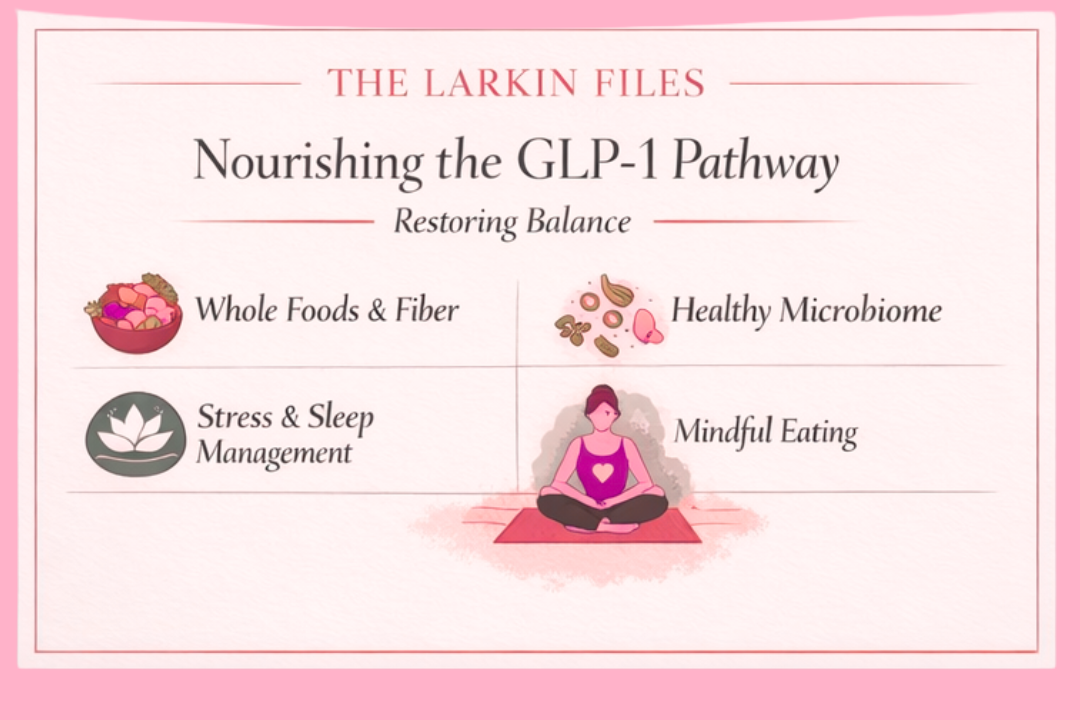
Prioritizing fiber-rich, whole foods
Supporting microbial diversity
Reducing ultra-processed foods
Managing stress and sleep (both directly impact GLP-1 release)
Eating slowly and mindfully to allow hormonal signaling to occur
When GLP-1 is supported, the brain receives clearer messages—and the entire system operates with greater ease.
The Takeaway
The gut and brain are not separate systems. They are partners.
And GLP-1 is one of their most important translators.
Understanding and supporting this connection reframes health away from restriction and willpower, and toward biological alignment. When the gut communicates clearly, the brain responds intelligently—and wellness becomes less about control, and more about coherence.
