THE Gut Health SERIES: Vol. 1

Gut Health: The Quiet Power Behind overall Health
True wellness works quietly—behind the scenes—shaping how we feel, think, and move. At the center of this subtle power lies the gut: an intricate, intelligent system that influences nearly every aspect of human health.
Gut health has become one of the most talked-about topics in wellness—and for good reason. Gut health is not simply about digestion. It is the foundation of energy, immunity, mental clarity, emotional balance, and long-term vitality. When the gut is supported, the entire body follows. Understanding how it works is one of the most powerful steps you can take toward better overall health.
What exactly Is Gut Health?
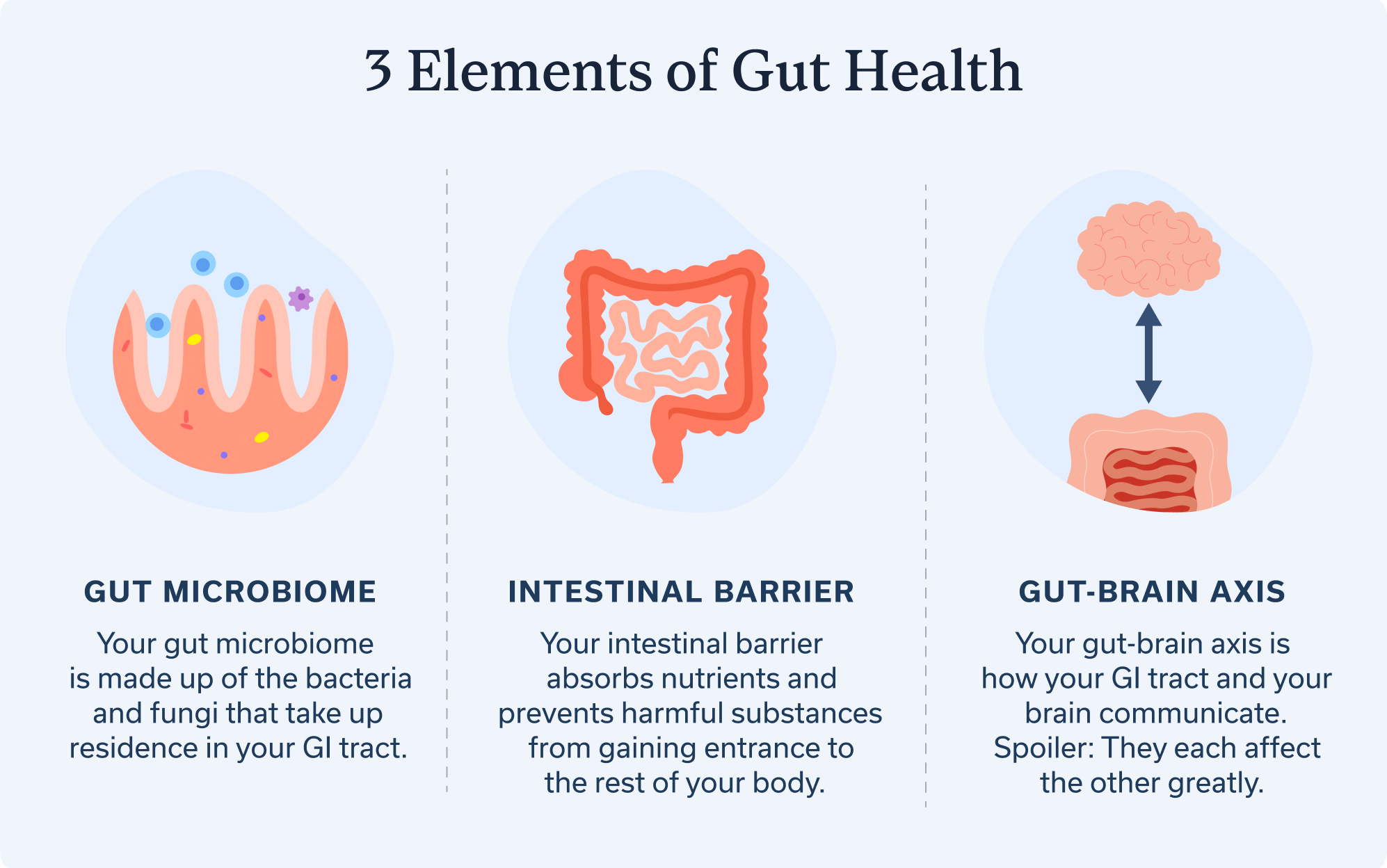
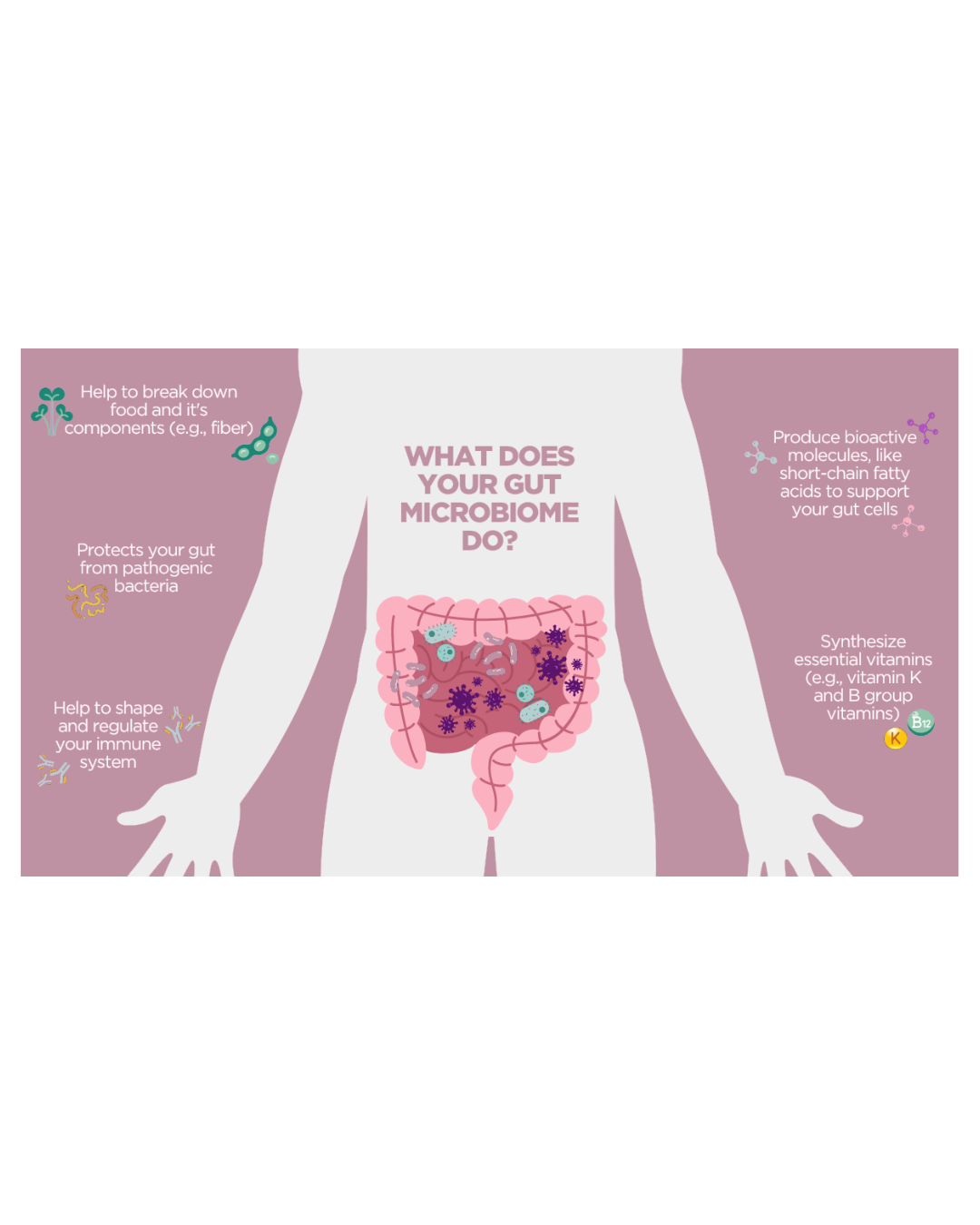
When we say “Gut health” we are talking about the balance and function of your gastrointestinal (GI) tract, particularly the trillions of microorganisms—known as the gut microbiome — that live in your digestive system. These microbes are not passive residents; they are active participants in human health. These bacteria, viruses, and fungi play a crucial role in how your body processes food, absorbs nutrients, regulates inflammation, and communicates with your brain.
A well-balanced microbiome supports nutrient absorption, hormone signaling, immune defense, and inflammation control. When harmony exists within the gut, the body operates with greater ease and resilience. When imbalance takes hold, dysfunction quietly spreads.
Gut health is not about eliminating bacteria. It is about cultivating the right environment—one in which beneficial microbes can thrive.
How the Gut Works (The Basics)
Every meal sets a conversation in motion.
As food moves through the digestive system, it is broken down into essential nutrients that fuel cellular repair, hormone production, and metabolic function. Beneficial gut bacteria assist in this process. These bacteria produce compounds that strengthen the gut lining and protect it from irritation and inflammation.
The gut lining itself serves as a finely tuned filter—allowing nourishment into the bloodstream while keeping harmful substances out. When this barrier is strong, the body remains protected. When compromised, inflammation can ripple outward, affecting systems far beyond digestion.
nearly 70 percent of the immune system resides in the gut.
A healthy microbiome trains the immune response to remain alert but calm—capable of defense without overreaction.
The Gut–Brain Connection
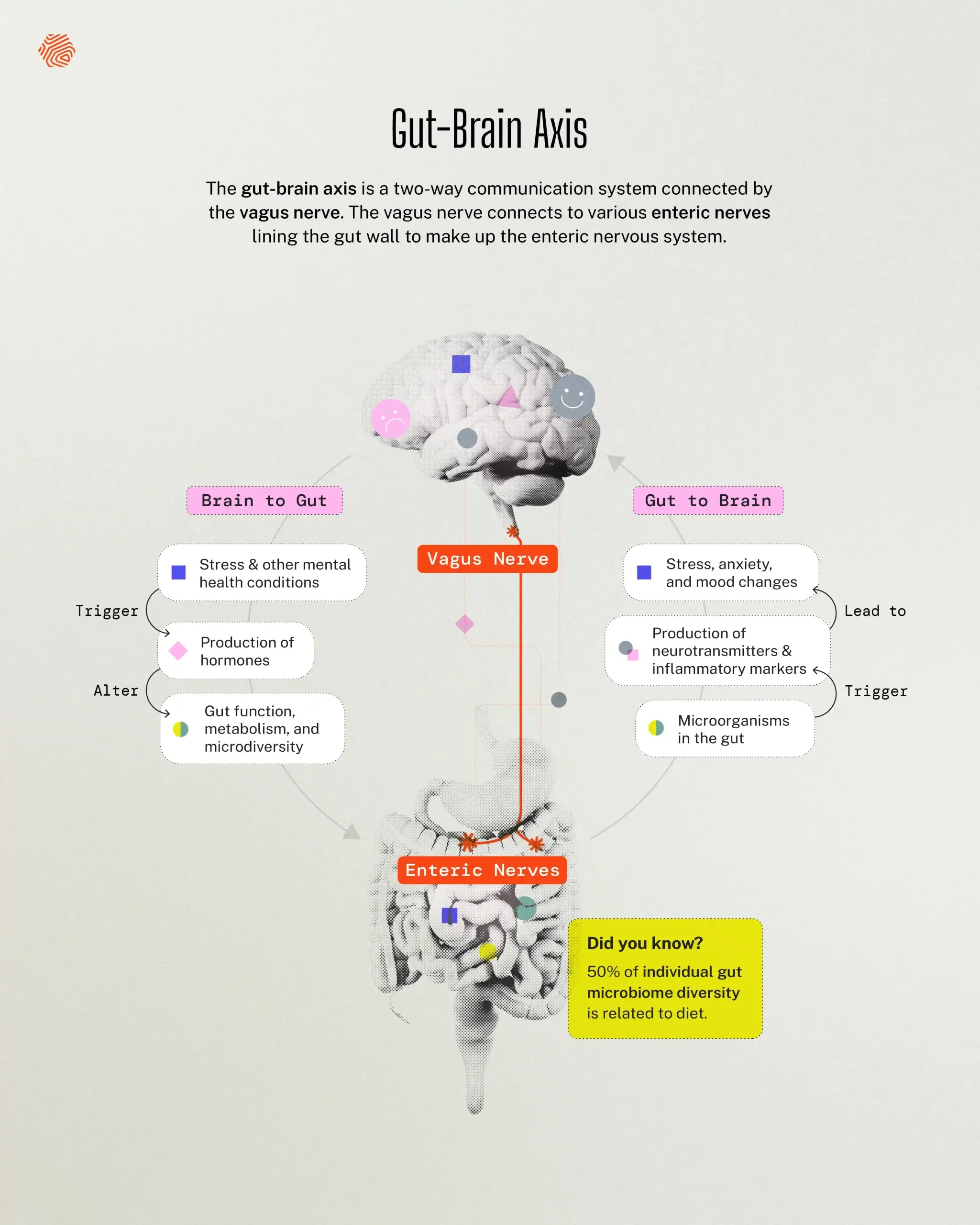
One of the most fascinating aspects of gut health is its direct connection to your brain, often referred to as the gut–brain axis.
Through the gut–brain axis, the digestive system communicates constantly with the nervous system via neural pathways, hormones, and chemical messengers. The gut produces the majority of the body’s serotonin, along with neurotransmitters that influence calm, focus, motivation, and mood.
This connection explains why gut imbalance is often felt emotionally before it is felt physically. Anxiety, brain fog, low mood, irritability, and poor sleep frequently trace back to inflammation or disruption in the gut.
When the gut is nourished, the mind becomes clearer. When the gut is inflamed, the nervous system remains on edge.
Your gut and brain communicate constantly through:
The vagus nerve
Hormones
Neurotransmitters
Immune signaling
In fact, the gut produces around 90% of the body’s serotonin (your “feel-good” neurotransmitter) and significant amounts of dopamine and GABA (important for mood, focus, and calm)
This is why gut health plays a major role in:
Mood and emotional regulation
Anxiety and depression
Brain fog and focus
Sleep quality
Stress resilience
When the gut is inflamed or imbalanced, the brain often feels it first.
How Gut Health Affects Overall Health
Poor gut health has been linked to a wide range of conditions, including:
Chronic inflammation
Autoimmune disorders
Hormonal imbalances
Insulin resistance and metabolic issues
Skin conditions (acne, eczema, rosacea)
Fatigue and low energy
Frequent illness
A compromised gut lining (often called leaky gut) can allow inflammatory substances into the bloodstream, triggering systemic inflammation that affects nearly every system in the body.
Signs Your Gut May Be Out of Balance
Common signs of poor gut health include:
Bloating, gas, constipation, or diarrhea
Sugar cravings
Food sensitivities
Brain fog
Mood swings or anxiety
Fatigue
Skin flare-ups
Frequent colds or infections
These symptoms are often dismissed as “normal,” but they’re signals worth paying attention to.
What Supports a Healthy Gut?
While gut health is complex, a few foundational habits make a powerful difference:
1) Consume more fiber-rich foods:
High-fiber fruits: Berries, apples, pears, bananas
Vegetables: Broccoli, carrots, brussels sprouts, artichokes
Whole grains: Quinoa, oats, barley, brown rice
Legumes: Lentils, chickpeas, black beans
Nuts & seeds: Chia, flaxseeds, almonds, walnuts
* The recommended daily fiber intake is 25-38g, yet most North Americans consume only half this amount! Increasing fiber intake gradually while staying hydrated can help improve gut microbiome health.
2) Consume Fermented foods (yogurt, kefir, sauerkraut, kimchi)
3) Eat adequate protein for gut lining repair
4) Get quality sleep and keep stress at bay
5) Minimize ultra-processed foods and excess sugar.
Gut health isn’t about perfection—it’s about consistency.

Why Gut Health Matters More Than Ever
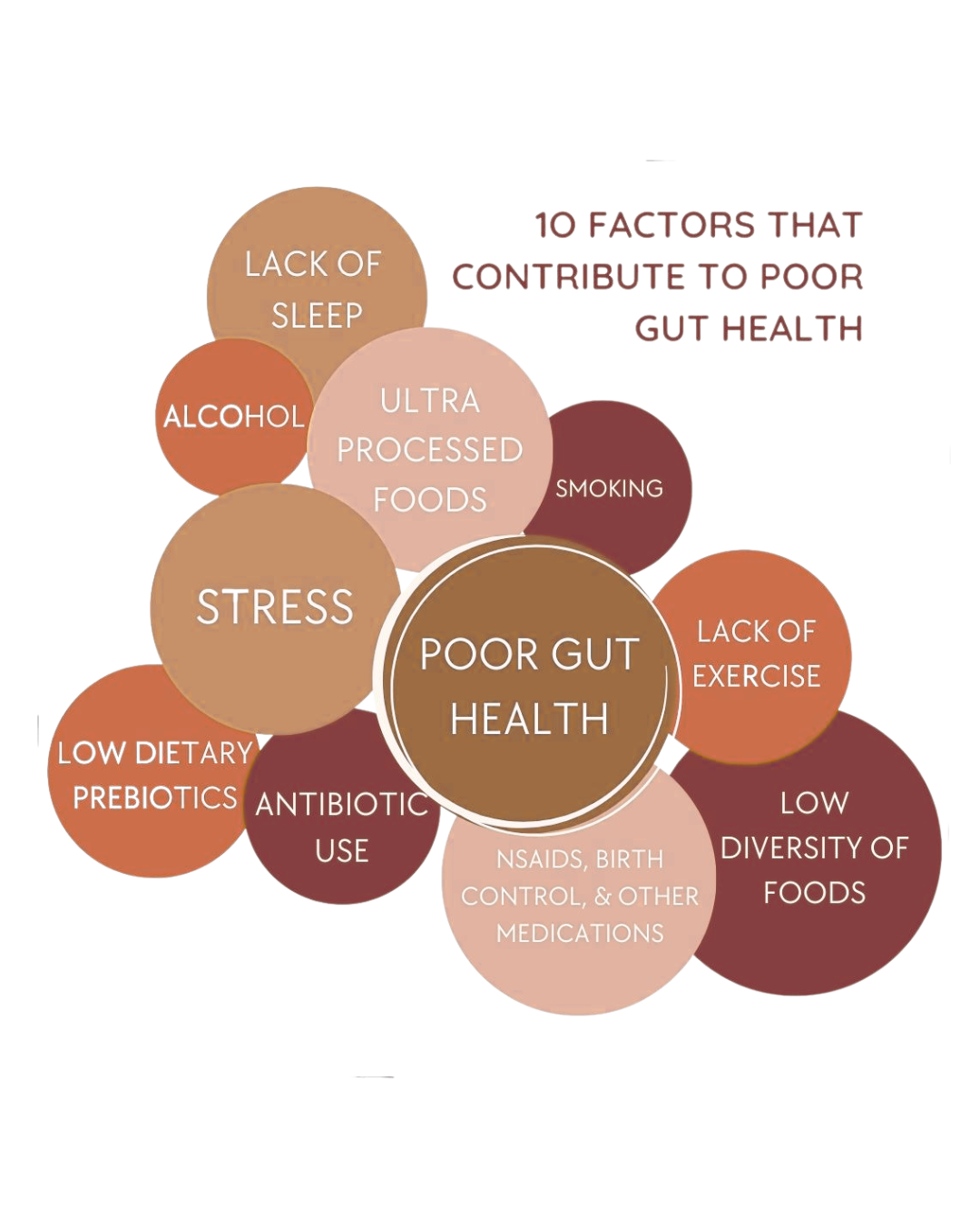
Modern lifestyles—high stress, processed foods, antibiotics, poor sleep—have made gut dysfunction incredibly common. The good news? The gut is highly adaptable. With the right support, it can heal, rebalance, and thrive.
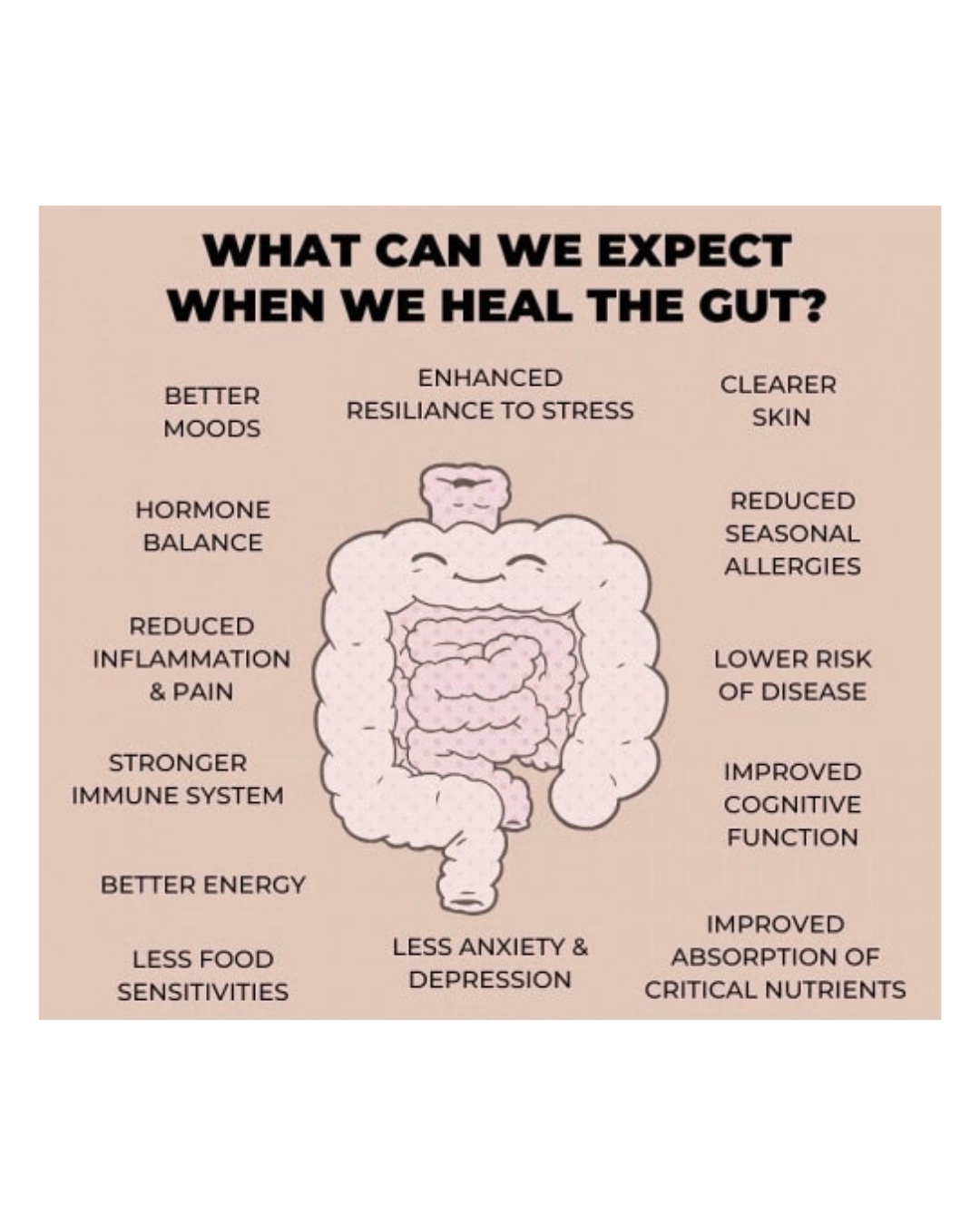
In many ways, gut health is the foundation of true wellness.
Final Thoughts
If you are struggling with how to fix your overall health and do not know where to start, this is the answer. For better energy, clearer thinking, balanced hormones, and a stronger immune system, start with your gut.
